
Skip the crowds, avoid tourist traps, and see a different side of the city with our list of non-touristy things to do in Istanbul!
So you’ve already ticked off the classic “first-time tourist” Istanbul checklist of the Blue Mosque, Hagia Sophia, Topkapi Palace, Istiklal Avenue, and Galata Tower, and now you want something different with the same wow factor.
Or perhaps you took one look at the ticket prices and thought, Oof, that’s a bit too much… $50 for Topkapi Palace? 25€ for Hagia Sophia? Surely there must be cheaper alternatives to Istanbul’s landmarks that still feel iconic!
Or maybe it’s your first time in Istanbul (welcome!) and you’re trying to see Istanbul without the crowds.
Whatever the case may be, that’s exactly why we put together this “do this, not that!” guide to the best less-touristy alternatives to Istanbul’s most famous landmarks.
These locations will help you experience the city with fewer people, give your Istanbul itinerary some personality, and offer a fresh twist on the famous attractions that everyone talks about.
Here are our favorite Istanbul tourist trap alternatives and spots that will help you experience the city in a whole new way. 🙂
No Time? No Worries!
We’ve Listed All of the Istanbul Tourist Attraction Alternatives Here:
| Hagia Sophia → Chora Church/Mosque (🎫 buy tickets) Basilica Cistern → Theodosius Cistern (🎫 buy tickets) Whirling Dervishes at Hodjapasha → Kasimpaşa Whirling Dervish Ceremony (🎫 buy tickets) Dolmabahce Palace → Beylerbeyi Palace (🎫 buy tickets) Bosphorus Cruise → Local Ferry Grand Bazaar & Spice Bazaar → Kadıköy Bazaar Istiklal Retro Tram → Kadıköy Retro Tram | Galata Tower → Galata Bridge İstiklal Caddesi → Bağdat Caddesi Sultanahmet Mosque → Suleymaniye Mosque Rumeli Hisarı → Anadolu Hisarı Eminönü → Üsküdar Balat → Kuzguncuk Istanbul’s European Side → Istanbul’s Asian Side Büyükada → Heybeliada |
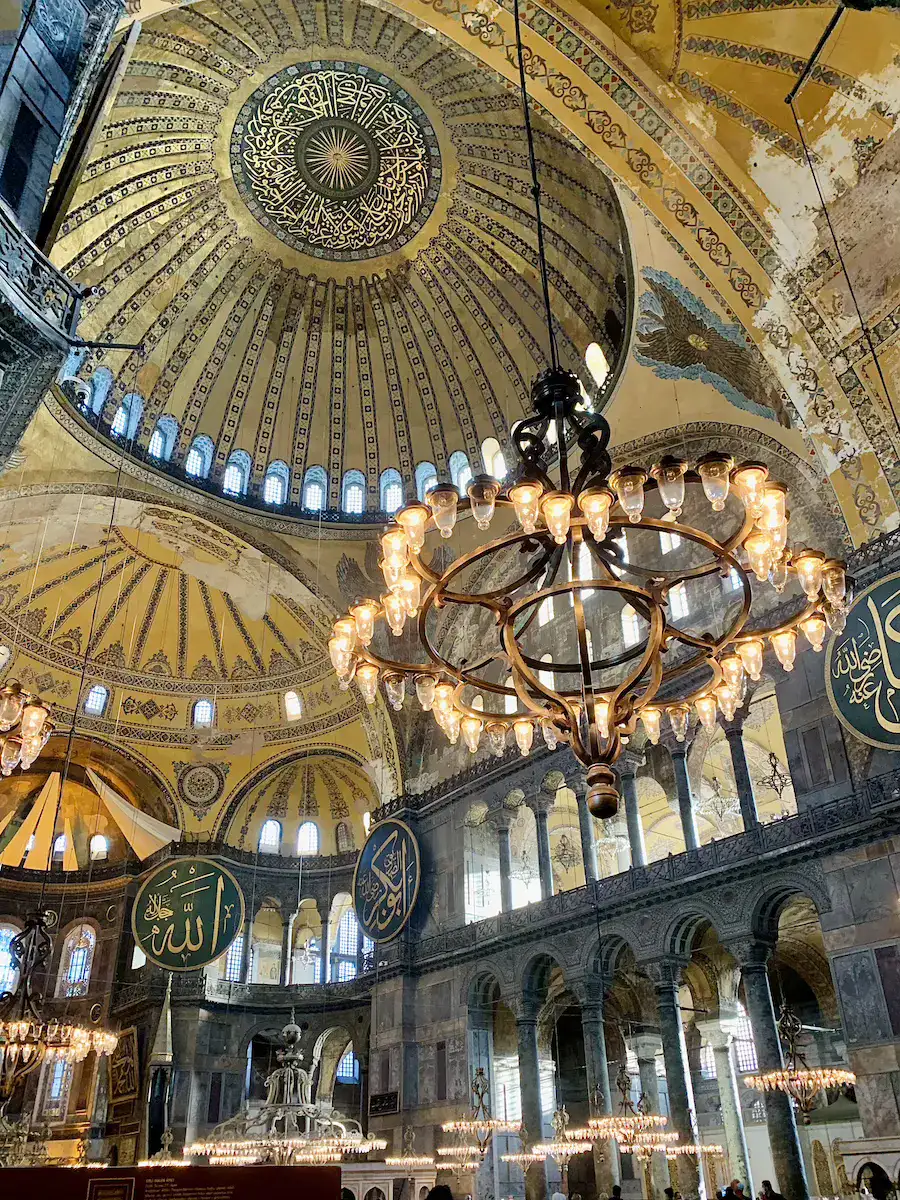
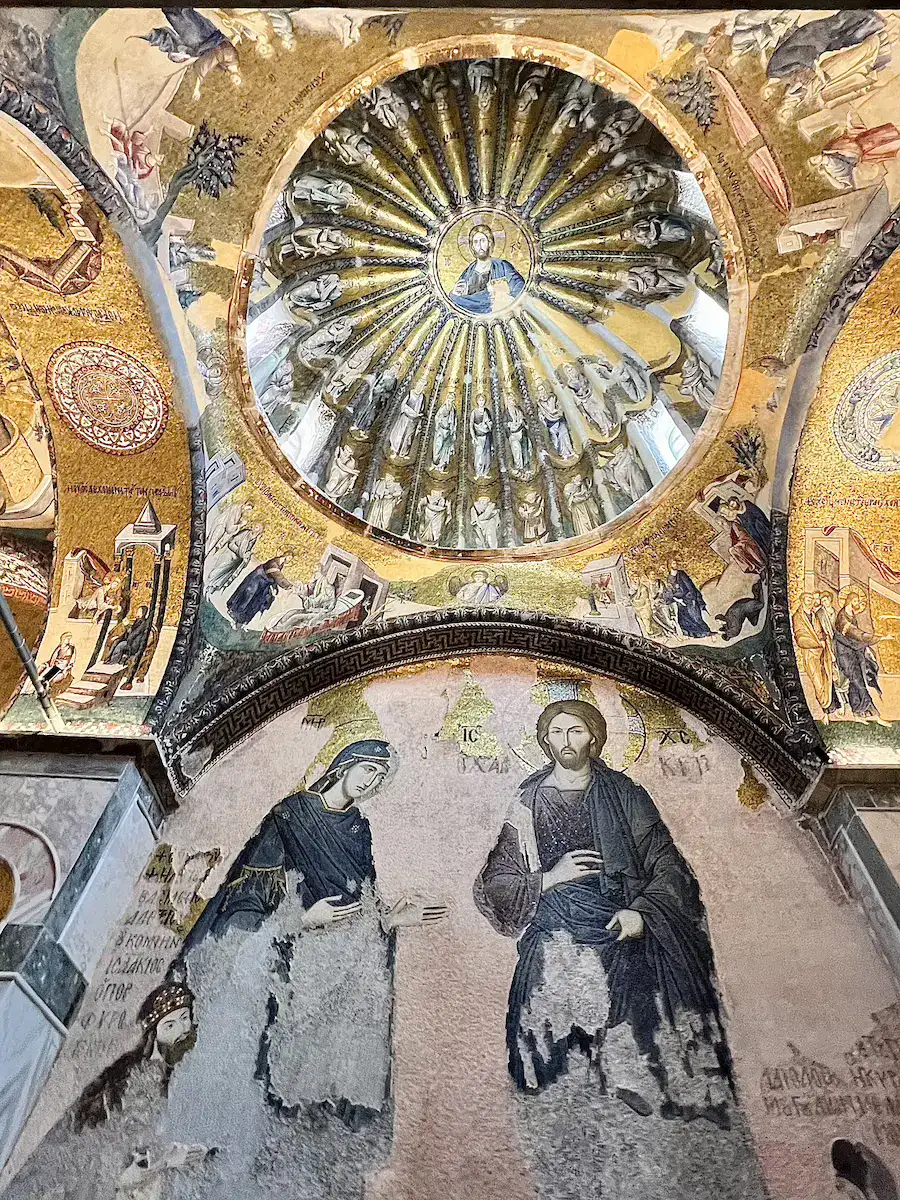
Hagia Sophia → Chora Mosque (Kariye Camii)
One of the most popular Red dit posts that we’ve been seeing lately is the controversial (but honestly expected) question: Is visiting the Hagia Sophia still worth it?
And the answer is, it depends! Yes yes, we know, it’s cliche, but let us explain. 🙂
If you want to stand inside one of the most influential buildings in world history, see the massive dome that inspired centuries of Ottoman architecture, and feel that “wow, people built this 1,500 years ago” energy, then yes, Hagia Sophia is still worth it (especially if you’re a history buff).
However, if you’re more of a casual tourist and don’t feel like paying 25€ for a quick walk-through, then the Chora Church (Chora Mosque) is a great alternative to Hagia Sophia.
Located in the quiet backstreets of Balat, Chora is a dazzling showcase of Byzantine art, history, and beautiful mosaics.
Fun fact: Chora also shares the same destiny as Hagia Sophia: both buildings started out as Byzantine churches, were converted into mosques, then became museums, and are now mosques again.
That’s not all — Chora is actually older than Hagia Sophia (by 140 years, to be exact)!
While Hagia Sophia’s grandeur is world-famous, Chora is a hidden gem that rewards those who seek it out.
Chora church was originally built in the 4th century as a monastery complex, though the majority of the current structure dates back to the late 1070s.
However, Chora’s golden moment came in the early 1300s, when an influential Byzantine statesman commissioned many of the beautiful mosaics and frescoes that can still be seen today (can you believe they’re over 700 years old? And in such great shape!)
There are more than 30 mosaic panels in Chora, plus many more decorative elements. The artwork depicts scenes from the life of Jesus and the Virgin Mary, as well as theological concepts like the genealogy of Christ, miracles, and portraits of saints.
These mosaics are absolutely stunning up close, and it’s really the kind of thing you really have to witness in person to understand why people rave about this place.
Since Chora is still one of the best-kept hidden gems in Istanbul, the atmosphere is peaceful in a way Hagia Sofia simply can’t offer anymore. That, and the entry ticket to Chora is a little cheaper than Hagia Sophia as well!
🎫 Click here to check availability & book your ticket to Chora →
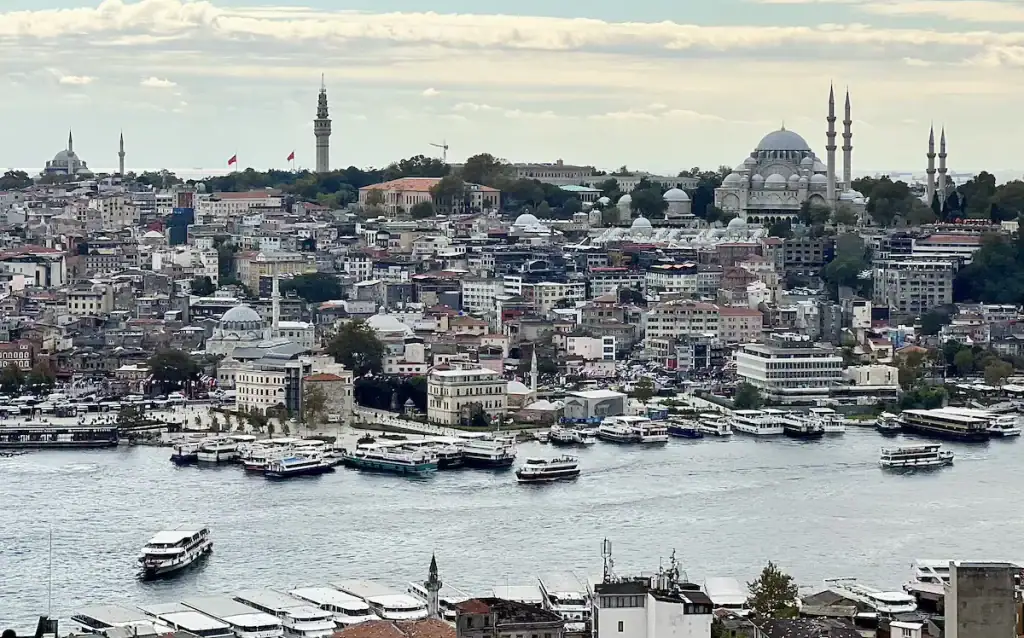
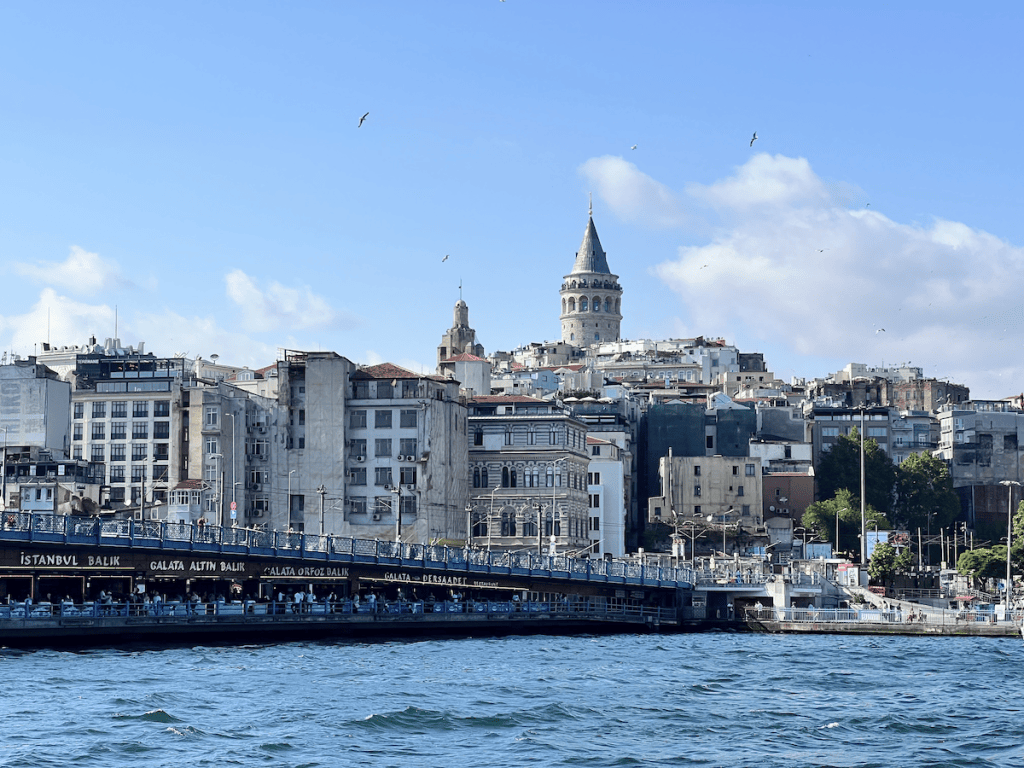
Galata Tower → Galata Bridge
Everyone wants to climb Galata Tower for that iconic Istanbul view, but here’s a little local secret…
The best angle of the city isn’t from the tower — it’s of the tower, and you’ll find it right on Galata Bridge!
Not only is the bridge a fantastic alternative to Galata Tower (and totally free!), it also gives you one of the most classic views in the city.
You get the full Istanbul panorama from the Galata Bridge: the domes and minarets of the Old City, ferries gliding across the Bosphorus, local fishermen casting their lines, and Galata Tower rising above the rooftops of Beyoğlu. Your Istanbul photo album isn’t complete without a few of these shots!
Want to wake up to those gorgeous Galata Tower views every morning? Check out our list of the 20 Best Hotels with Galata Tower views and upgrade your Istanbul trip! →
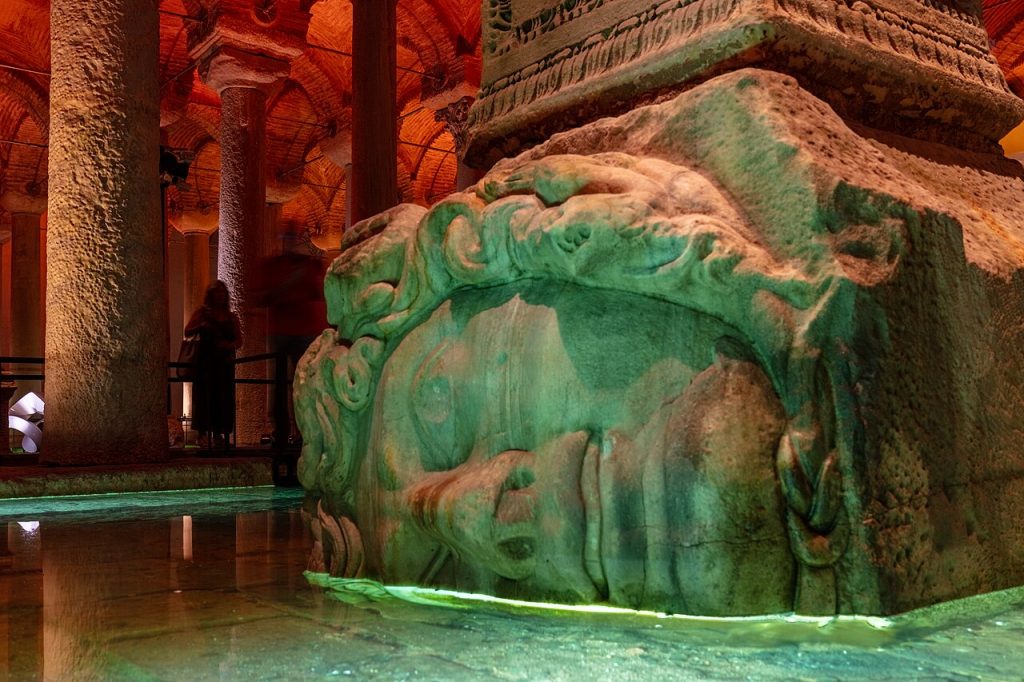
Basilica Cistern (Yerebatan Sarnıcı) → Theodosius Cistern (Şerefiye Sarnıcı)
Visiting the Basilica Cistern is definitely one of the most unique Istanbul experiences — after all, where else can you wander through the illuminated columns of an authentic 1,500-year old underground cistern?
The only problem is that it also comes with a high ticket price, long wait times and big lines, and overcrowding once you’re in the cistern.
No worries, the plus side is that Istanbul is full of underground cisterns waiting to be explored! 🙂
Case in point is the Theodosius Cistern (also known as the Şerefiye Cistern), which is hands-down our favorite alternative to the Basilica Cistern.
You’ll get the same atmosphere and experience as Basilica Cistern but with way fewer crowds and a cheaper ticket price too. Basilica Cistern tickets cost 1,300 TL for daytime entry or 2,000 TL for nighttime entry (as of Dec. 2025), but a ticket to Theodosius Cistern is only 990 TL. That’s a solid difference, especially if you’re traveling as a pair or with family!
That’s not all: Theodosius Cistern was built around 428 AD, which makes it almost a century older than the Basilica Cistern! 😉
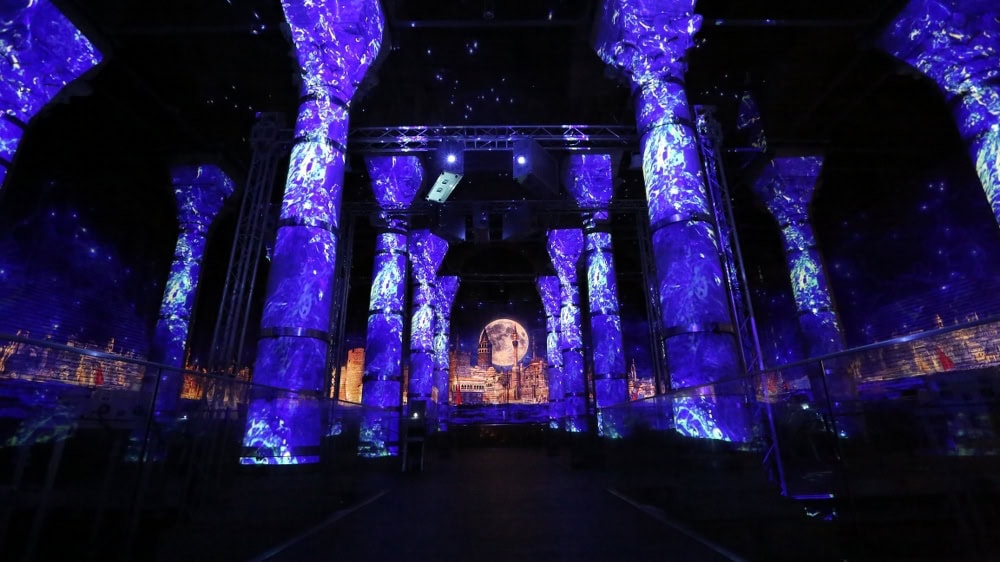
The cistern was built to store water for the Great Palace (the precursor to Topkapi Palace), and today you can see the original 32 columns across the 24 by 40 meter area.
The Theodosius Cistern is also the first Turkish museum and the oldest building of the world that uses the 360° Projection Mapping system, which is basically a cool 3D show that you can watch every hour. It lasts for 10 minutes and traces the water culture of both the Şerefiye Cistern and Istanbul.
🎫 Click here to check availability & book your ticket to Theodosius Cistern →

Whirling Dervishes at Hodjapasha → Kasimpaşa Whirling Dervish Ceremony
Watching a whirling dervish ceremony is one of the top things to do in Istanbul, especially if you’re looking to learn more about Turkey’s cultural side.
The whirling dervish ceremony (also known as sema) is a beautiful performance that blends worship and meditation that’s meant to bring the dervishes closer to the divine. When experienced in the right setting, it’s genuinely moving — and completely mesmerizing!
That said, if you’ve looked at tickets (or reviews) for the Hodjapasha Whirling Dervish show lately, you might have noticed that it’s become a tourist hotspot with big crowds, pricey tickets, and a feeling that it’s more of a “show” than a spiritual experience.
If you want to see this tradition in its most authentic form, make your way to Kasimpaşa instead. The ceremony takes place in a humble and atmospheric lodge where the emphasis is purely the ritual itself. They do a fantastic job of preserving a centuries-old tradition in the most genuine way.
The ceremony takes place three days a week and starts at 5 PM (17:00). It begins with a narrated introduction that explains sufi beliefs. From there, the ceremony begins, accompanied by live music.
Before the show, you can also explore the lodge and see the artifacts, admire the calligraphy on the upper floor, and wander through the small art gallery. Since it’s held in a functioning Sufi lodge, be sure to wear appropriate clothing (cover your shoulders and chest).
🎫 Click here to check availability & reserve your visit to the Kasimpaşa Dervish Ceremony →


Dolmabahce Palace → Beylerbeyi Palace
With its massive halls, glittering chandeliers, a grand staircase, and a dramatic setting right on the Bosphorus, Dolmabahçe Palace is the definition of opulence…
But whew, it also comes with crowds and steep entry fees. 😅
What’s one to do? Take a ferry over to the Asian side and visit Beylerbeyi Palace instead! This beautiful 19th century palace offers a very similar experience — the ornate rooms, the intricate gold details, the manicured gardens and waterside pavilions — but with way fewer crowds.
The price is friendlier too: a ticket to Dolmabahçe Palace currently costs 1,800 TL, but a ticket to Beylerbeyi Palace is only 700 TL, making it 2.5 times cheaper!
You can easily add Beylerbeyi Palace to an overall Asian side day trip: take a ferry and start in Beylerbeyi Palace, then visit Kuzguncuk, Üsküdar, and end the trip with a stroll around central Kadıköy. 🙂
🎫 Click here to check availability & book your ticket to Beylerbeyi Palace →
İstiklal Caddesi → Bağdat Caddesi
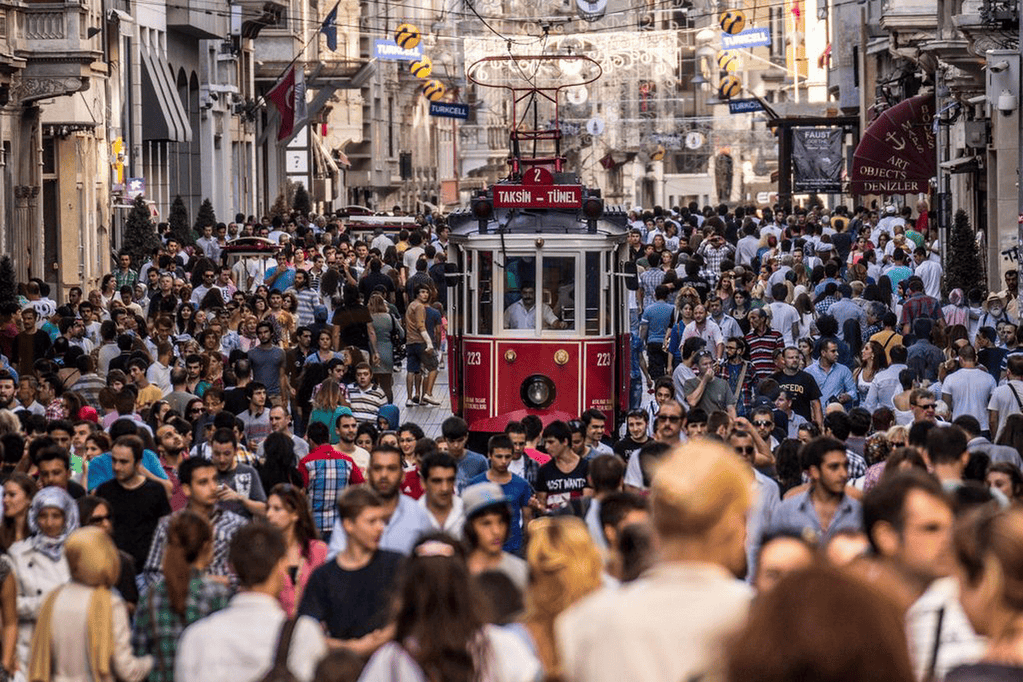
Most people visit Istiklal Street (İstiklal Caddesi) for a few reasons: to shop at iconic Turkish brands like Mavi and LC Waikiki, people-watch from a cute cafe, or snap a classic photo with the cute red retro tram…
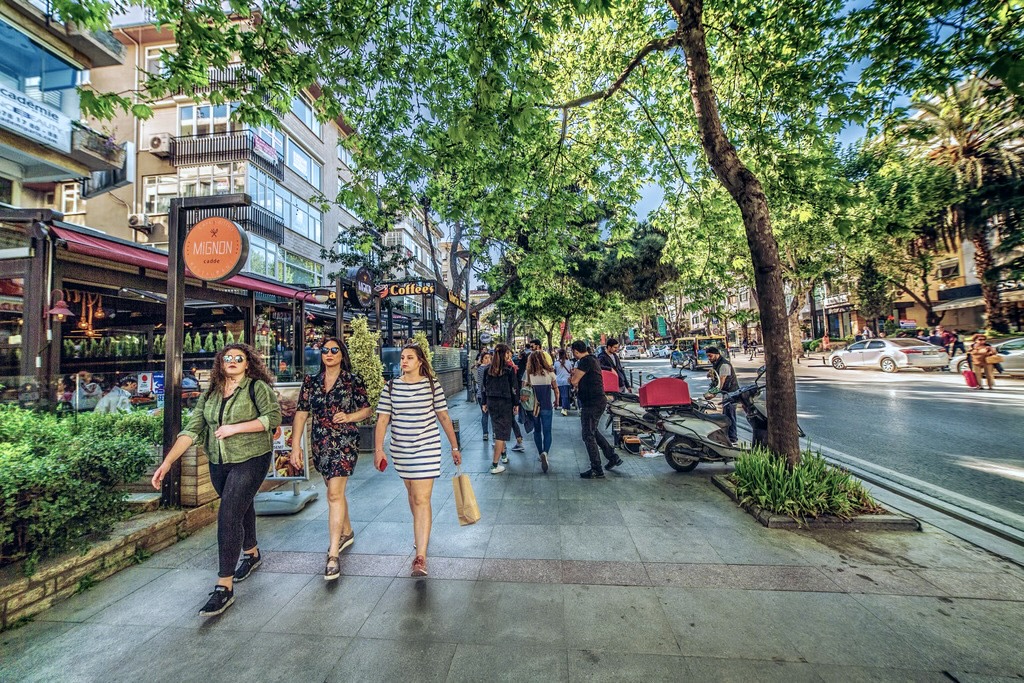
…But what many don’t know is that İstiklal has a stylish cousin on the Asian side — Bağdat Caddesi — which offers much of the same vibe but with less crowds and more atmosphere! 😉
Bağdat Caddesi stretches for over 14 km (8.7 mi) through Kadıköy and is lined with everything from international fashion houses and high-end Turkish boutiques to trendy cafes, little squares and parks, and sidewalk patisseries where locals chat over coffee and slices of San Sebastian cake.
You’ll still find familiar brands like Vakko, Zara, Beymen, H&M, Mango, and Yargıcı, but without the shoulder-to-shoulder crowds, souvenir hawkers, or the need to dodge oncoming trams.
Our favorite section of Bağdat Caddesi starts from Göztepe 60 Yıl Park and ends just before Bostancı Marmaray station — that’s where you’ll find the biggest concentration of chic stores, third-wave cafes, and trending restaurants.
Although Bağdat Caddesi doesn’t have an iconic red tram like Istiklal Caddesi, don’t worry — we have something even more charming in the next section. 🙂

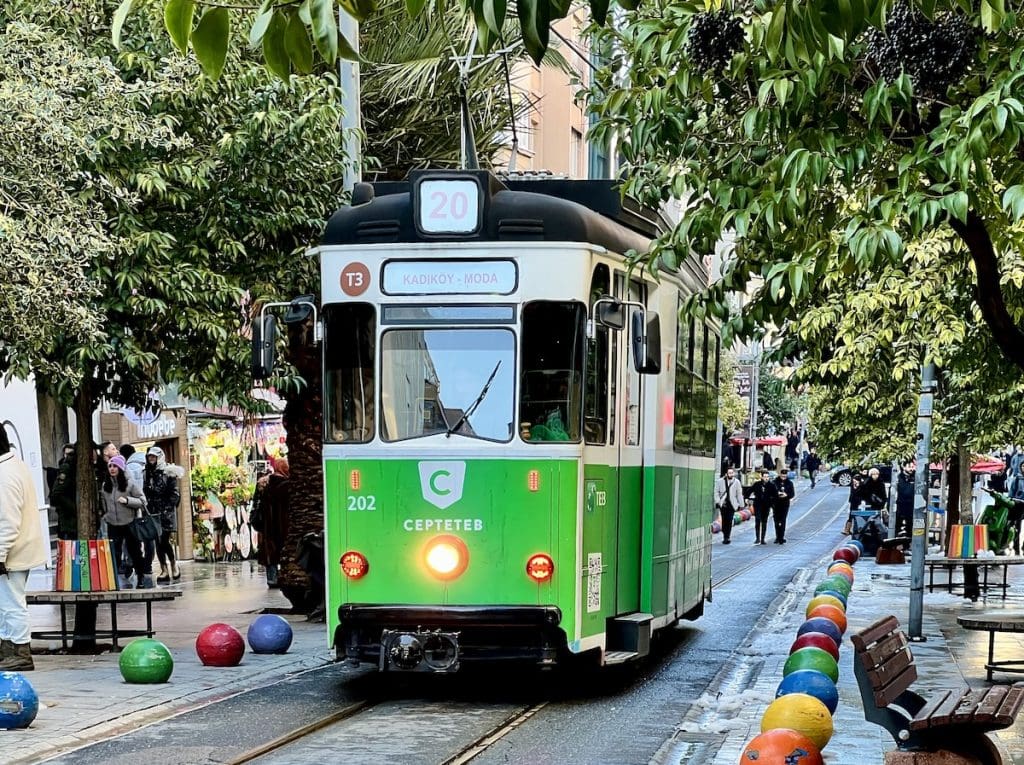
Istiklal Tram → Kadikoy Tram
Who says Istiklal’s red tram should get all of the fame? Over in Kadıköy, we’ve got a tram that’s just as retro (and much less chaotic!)
While the retro tram on Istiklal is undeniably iconic, its popularity also means long lines, crowded wagons, and accidentally photobombing someone’s selfie.
If you want a similar vibe with almost none of the madness, hop on the Kadıköy–Moda nostalgic tram instead! It loops through the cutest parts of Kadıköy, including Moda and Bahariye Street, and you can almost always find a seat.
Some of our favorite stops include Çarşı (the Kadikoy market), Altıyol (cute clothing boutiques), and Moda Caddesi (to stroll down to Moda Pier).
Or do as we sometimes do: ride the tram’s full loop for fun and hop off when we see a cute third-wave cafe! 😉
Since you’re traveling to Kadıköy, why not turn it into a full-day adventure? From beautiful views to cool street art in Yeldeğirmeni, the colorful streets of Moda, a few hidden gems, and our top picks for cafes and breakfast, our Kadıköy Travel Guide has more than 30+ amazing ideas! →
Sultanahmet Mosque → Suleymaniye Mosque
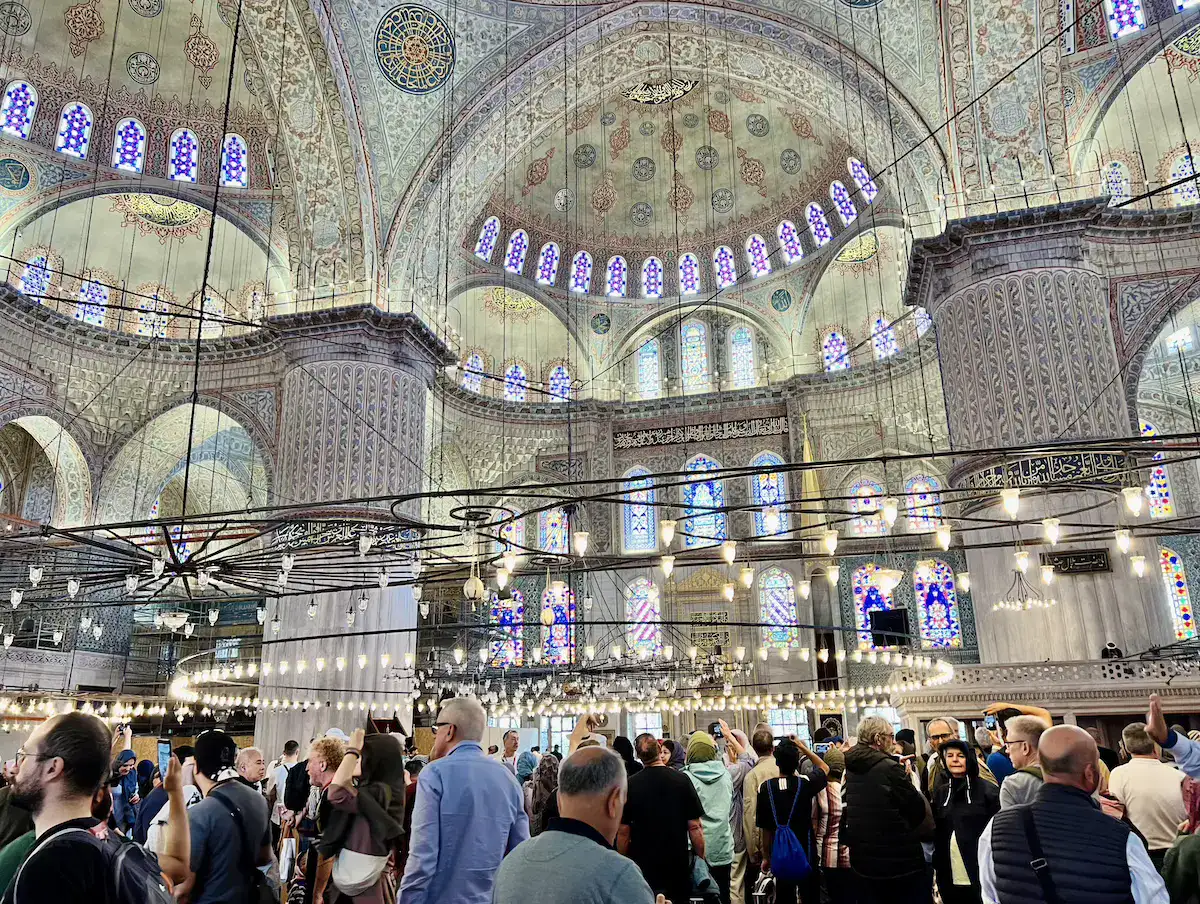
Let’s be honest: the Blue Mosque (Sultanahmet Camii) is beautiful, but it’s often so packed with tourists that the experience can feel more like elbowing your way through crowds than actually experiencing one of Istanbul’s greatest historical landmarks.
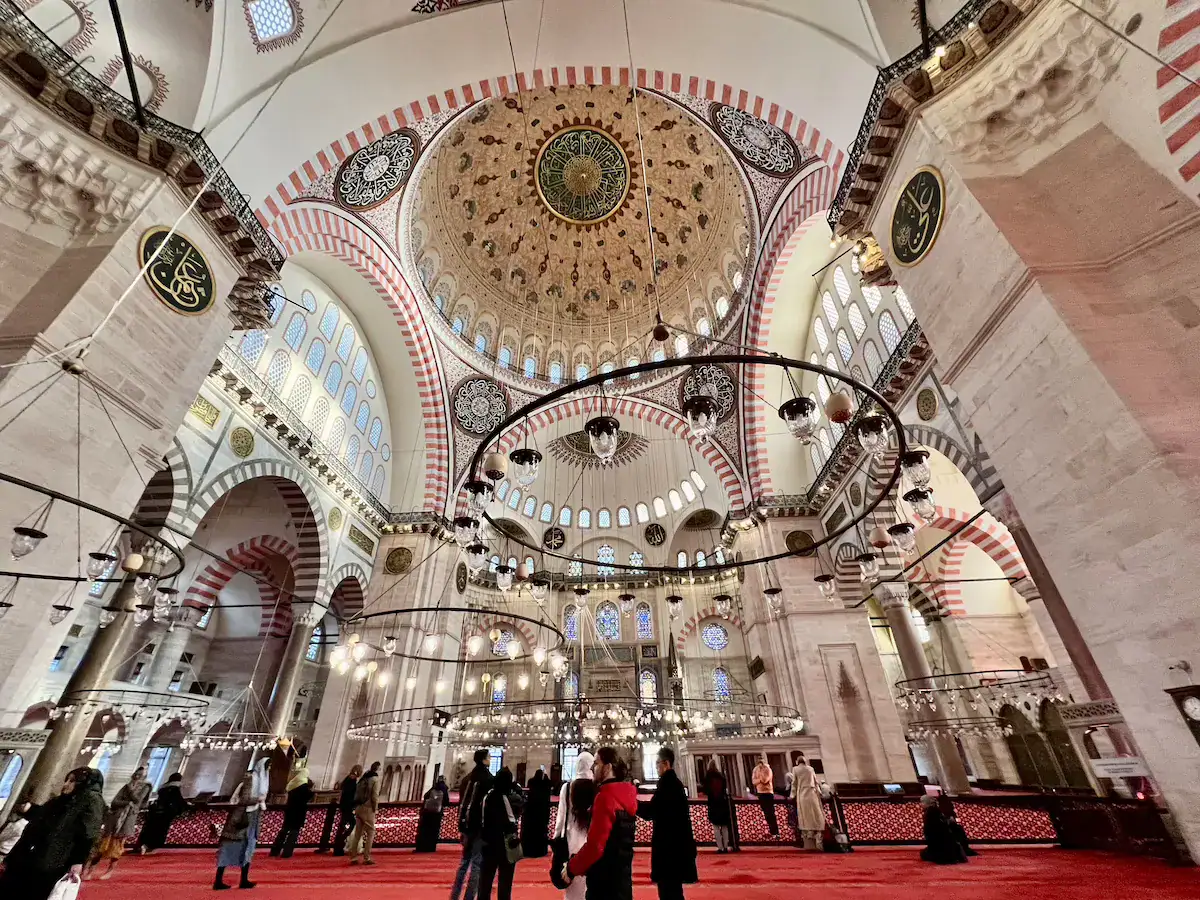
If you’re looking for an alternative to the Blue Mosque, look no further than Suleymaniye Mosque!
Commissioned by Sultan Suleiman the Magnificent (hence the name) and brought to life by legendary architect Mimar Sinan, this mosque is considered one of the greatest masterpieces of Ottoman architecture. The interior is especially lovely, with its white walls and very intricate calligraphy tiles on both sides of the mihrab.
However, what really sets Suleymaniye Mosque apart is the atmosphere, and one thing you’ll instantly notice when visiting is the calmness. Whereas the Blue Mosque often feels rushed and crowded, Suleymaniye gives you plenty of space to enjoy the architecture and the ambiance.
Whenever we visited this mosque, there were practically no people and it felt like we were the only ones there. Well, almost…
There’s one spot where you’ll almost always find people: the outside gardens.
Many visitors come here to see the final resting place for some of the Ottoman Empire’s most famous figures: Sultan Suleiman the Magnificent and his wife Hürrem Sultan (Roxelana), as well as their daughter Mihrimah Sultan and several other family members. The beautifully decorated mausoleums are open to visitors — just be sure to take your shoes off before entering.
Besides its beautiful interior and rich history, Suleymaniye Mosque also has some of the most magnificent views of Istanbul’s Golden Horn thanks to its strategic location on one of Istanbul’s seven hills!
Last but certainly not least, Suleymaniye Mosque is easy to fit into any itinerary: it’s just a 10-minute walk to the Grand Bazaar or a 15-minute stroll to the Spice Bazaar (Egyptian Bazaar).
Grand Bazaar & Spice Bazaar → Kadıköy Bazaar
So you want to go shopping for some amazing Turkish souvenirs — naturally, the Grand Bazaar comes to mind, right? Just think about it: it’s grand! It’s massive! There are so many cool bits and bobs — all under one roof!
While that may be the case, the Grand Bazaar is also super touristy and, therefore, prices tend to reflect that. ;(
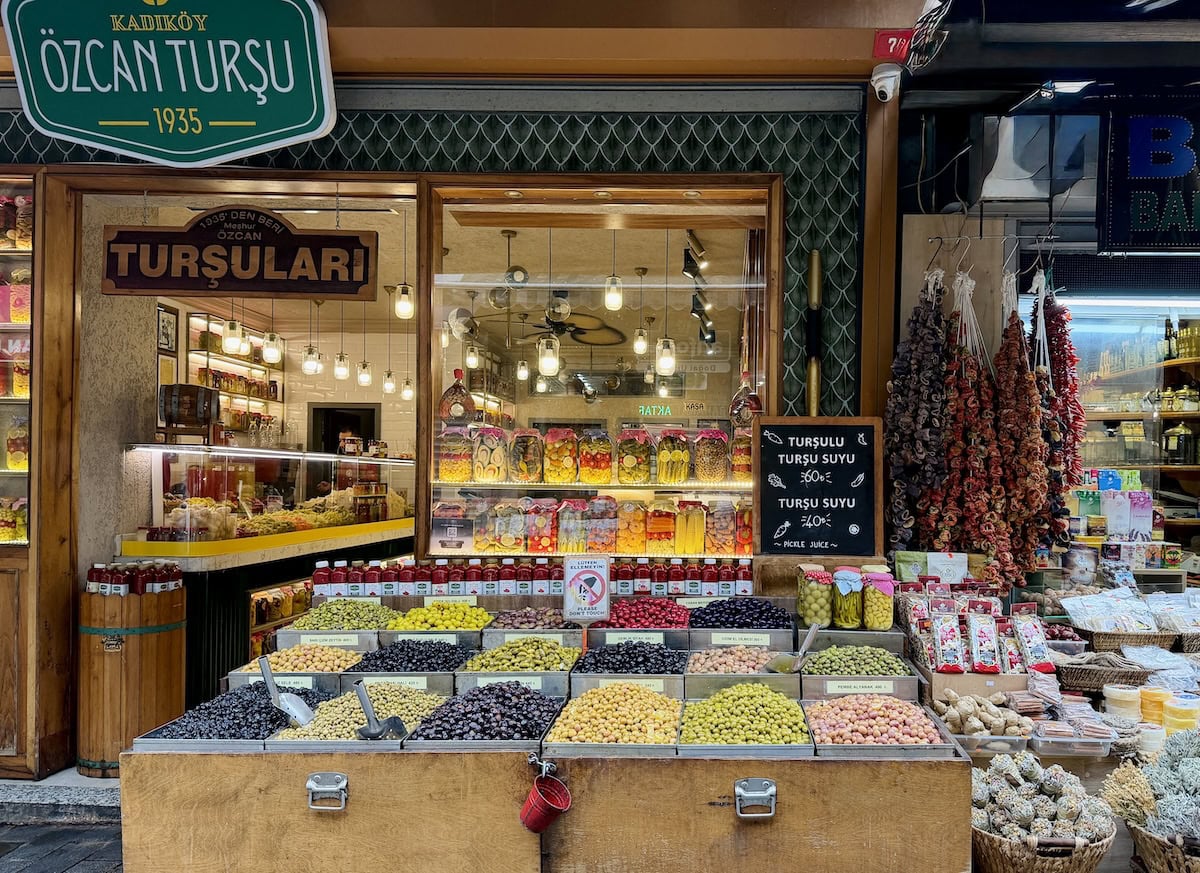
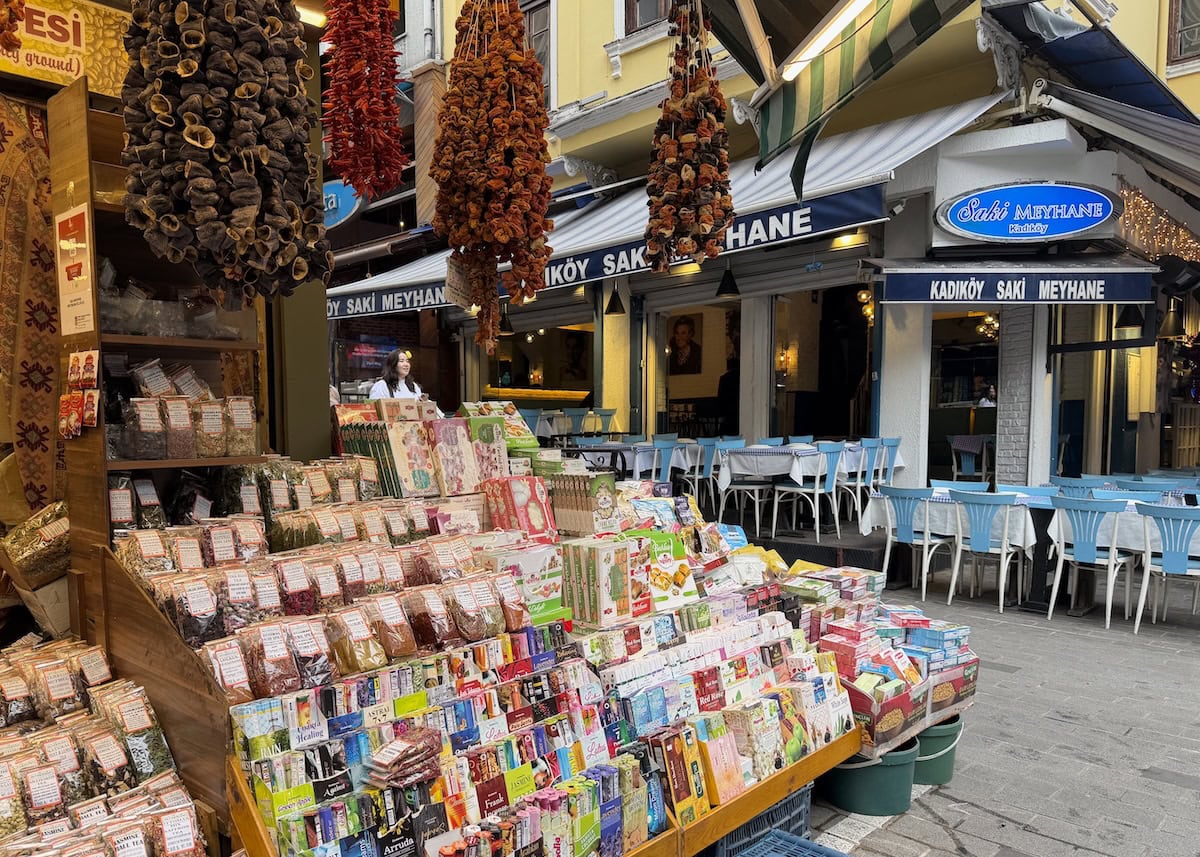
If you’re after better deals and a slice of everyday Istanbul, no worries, we have a secret local alternative to the Grand Bazaar for you: Kadıköy Market!
This is the place where locals do their shopping (us included!) — besides fresh produce, you’ll also find piles of fresh olives, dried fruit, authentic Turkish delight (lokum), and exotic spices. There are also tons of shops that sell unique gifts like handmade ceramics, soaps, freshly-roasted coffee, hamam kese, and so much more.
Prices are lower, there’s no annoying back-and-forth bargaining, and the sellers are usually friendly (even if the extent of your Turkish is just “merhaba” — we’ll leave this Turkish Tourist Phrases blog post here just in case 🙂).
Ok, so maybe it’s not the best place for bargain deals…
but it is great for recreating that one James Bond scene from Skyfall (minus the motorcycle). Yes, we’re talking about exploring the Grand Bazaar’s rooftops!
The Grand Bazaar’s rooftops are usually off limits, except on exclusive tours like this one. Not only do you get sweeping bird’s-eye views of the Bazaar, but you’ll also hear the wildest stories from its 600-year history and peek inside artisan workshops too! Click here to check availability & book tour →
Bosphorus Cruise → Local Ferry
So you swapped out Hagia Sophia for Chora Church, strolled along the Galata Bridge (and took some epic photos), bought your souvenirs at Kadıköy Market, and now you just want to relax (ideally with a beautiful view 😉) …
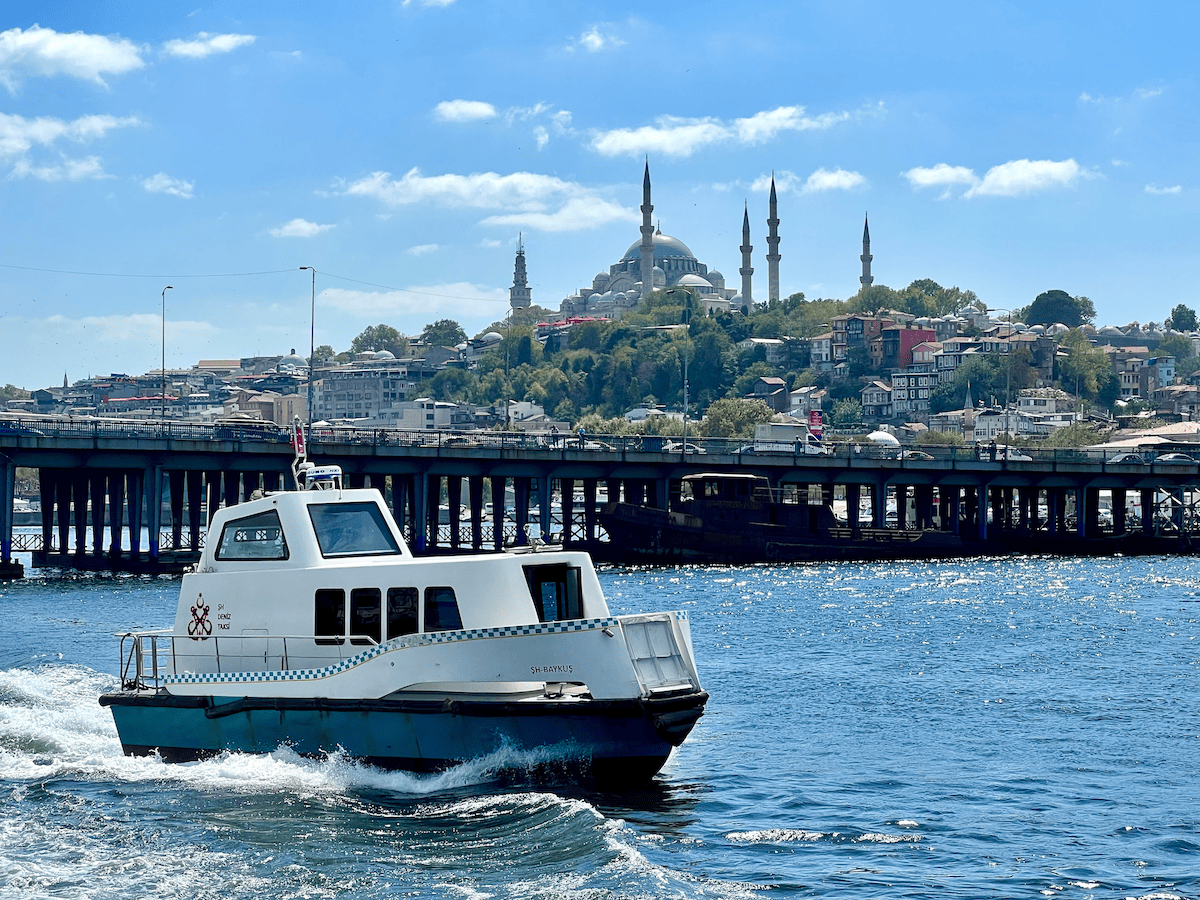
We have just the thing: taking a local ferry!
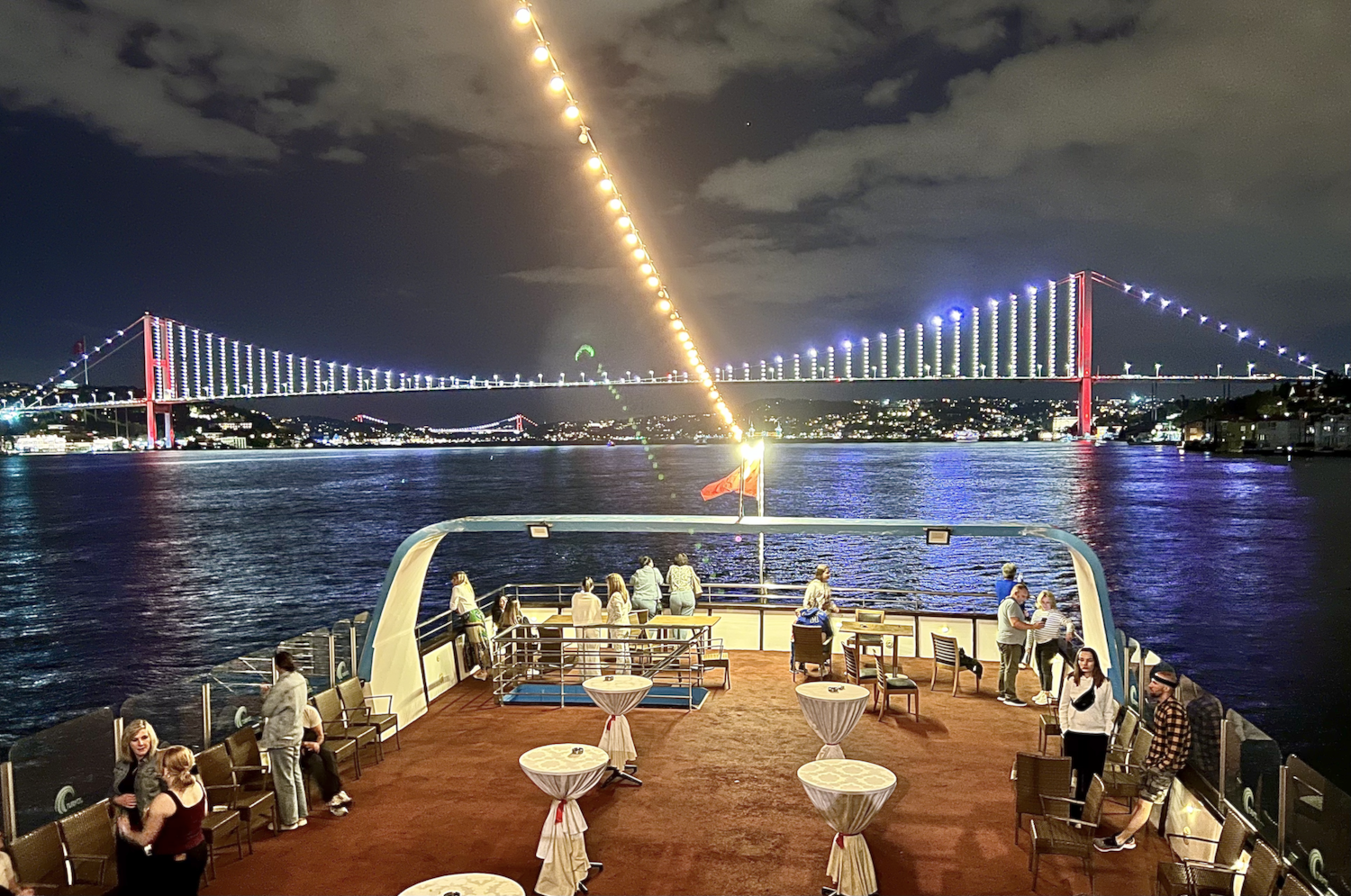
While Bosphorus dinner cruises are a popular choice (if you’re curious, here’s our honest take on whether Bosphorus dinner cruises worth it), we always recommend the humble Şehir Hatları ferry for a truly local experience.
For less than the price of a simit, you can hop on board, find a seat by the window, and watch the palaces, minarets, and neighborhoods glide by. For the full “ferry experience,” be sure to enjoy Turkish tea in a tulip-shaped glass and go up to the top deck and watch the seagulls. If you’re lucky, there might even be a musician strumming Turkish folk songs on board!
If you really want to make a full-day adventure out of it, you can take the ferry all the way up to Anadolu Kavağı (it’s a beautiful 2-hour ferry ride!) and hike up to Yoros Castle, check out the cute seaside village, and enjoy fresh seafood. Interested? Check out our full Anadolu Kavağı guide here for everything you need to know →

Eminönü → Üsküdar
Would you like to explore Ottoman-era fountains and hidden courtyards? Or maybe visit a (free!) museum with cute miniature dolls of famous sultanas?
How about wandering down “Gastronomy Street” (yes, that’s the name!) and trying freshly-baked börek, local dishes, and desserts — without the tourist price tag?
Or perhaps you’re after the ultimate Istanbul photo: a panoramic shot of the city’s skyline and the Maiden’s Tower perfectly in the foreground?
If so, Üsküdar should definitely be on your itinerary!
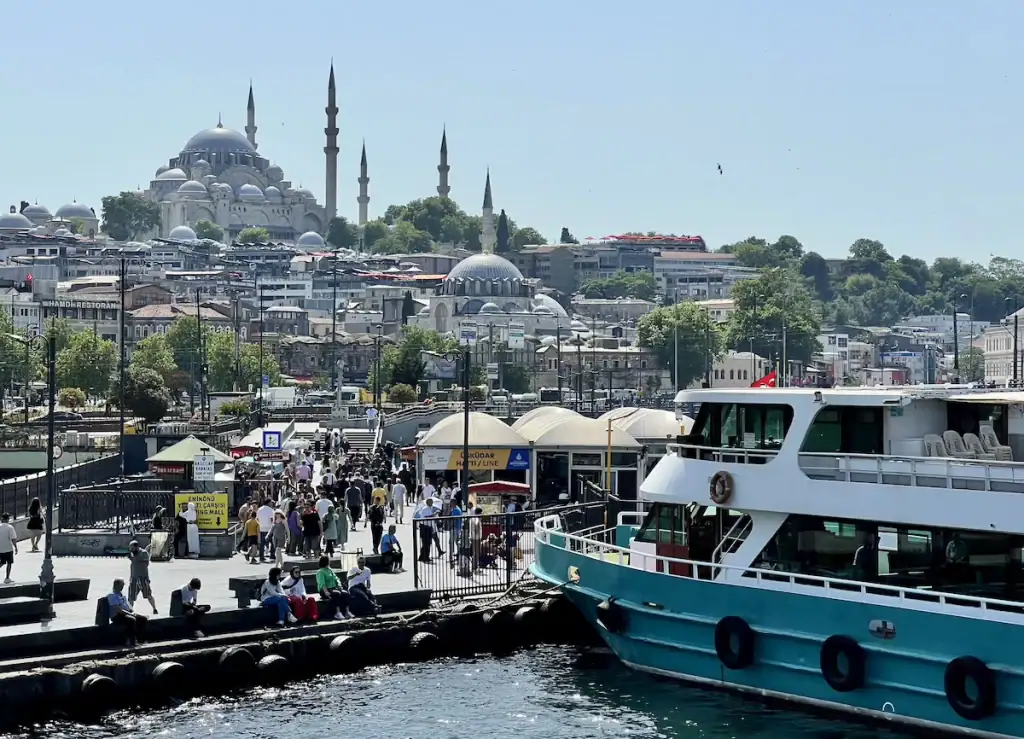
Located on Istanbul’s Asian side, this is one of those neighborhoods that tourists barely visit but feels like a whole different Istanbul. Üsküdar is famous for its waterfront mosques, busy street markets, winding alleyways through traditional Ottoman-era wooden houses, and locals enjoying their tea by the water.
This is also where you’ll find the “real” Istanbul — no tourist menus, no carpet shop hustlers, and definitely no group tours.
Best of all, you can take a direct ferry from Eminonu and be in Üsküdar in under 20 minutes!
Ready to explore? Check out our Üsküdar travel guide for everything you need to plan the perfect day, including where to go, what to eat, and plenty of insider tips to help you fall in love with this neighborhood →
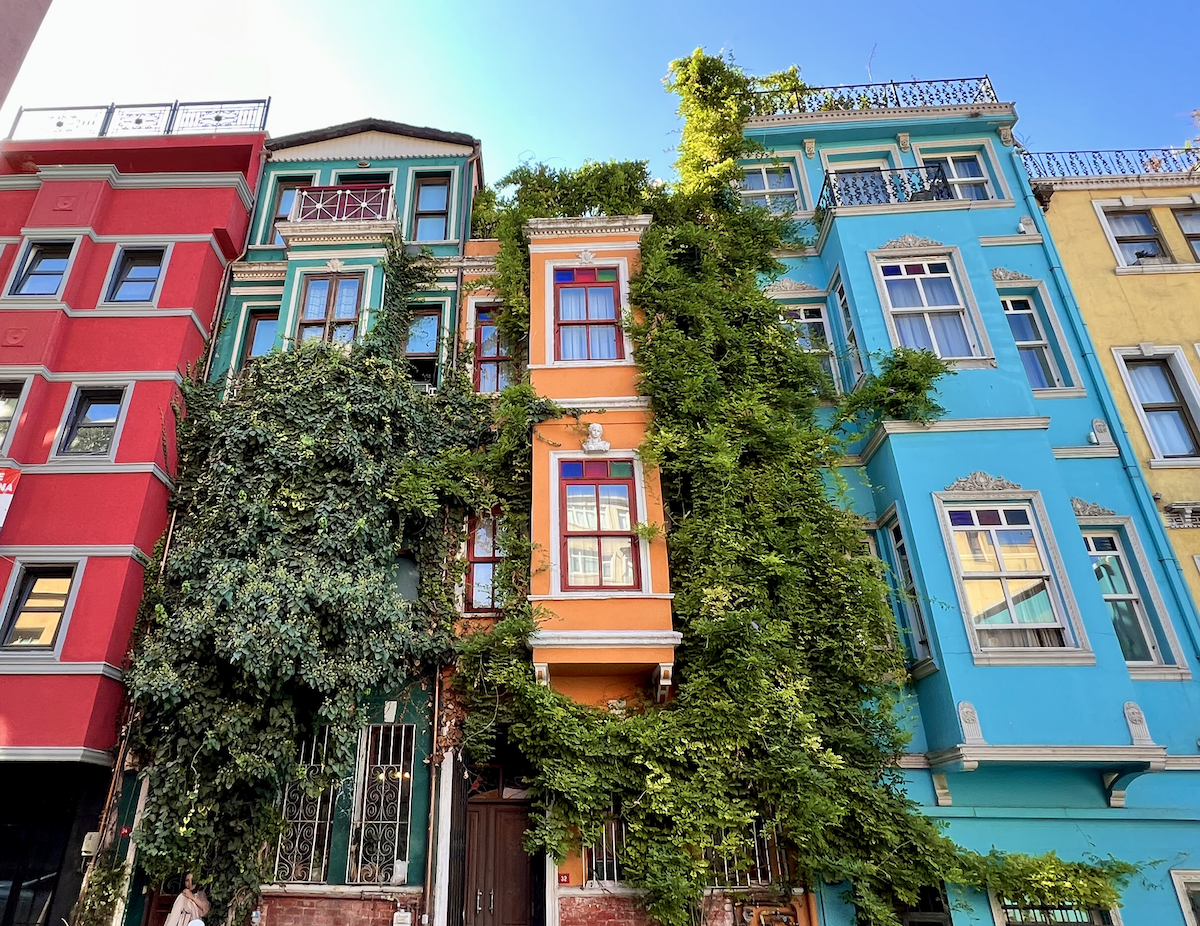

Balat → Kuzguncuk
Sure, Balat is famous for its rainbow row houses and vintage cafes, but if you want a place with all the color, history, and atmosphere — but without the Instagram influencers — then head across the Bosphorus to Kuzguncuk.
Kuzguncuk is like Balat’s quieter and more modest cousin on the Asian side, thanks to its narrow streets and pastel-painted Ottoman wooden houses, cats sunbathing on window ledges, and a neighborhood atmosphere that feels straight out of a Turkish TV series (that’s not an exaggeration, many shows really are filmed here!)
Instead of crowds, you’ll find historic bakeries (some have been in Balat for nearly a century!), cozy family-run restaurants, leafy community gardens, and shops where the owner actually lives upstairs.
It’s also the perfect place to slow down and really enjoy a slower side of Istanbul: pop into a bakery for some warm Kuzguncuk Mantarı cookies (a local specialty), check out a charming little bookshop, or sip tea under the linden tree with a view of the Bosphorus.
If you’re visiting Üsküdar (mentioned above), you can easily add Kuzguncuk to your itinerary — it’s just a 15-minute hop away!
Want all of our local recommendations, tips, and things to do? Click here to read our Kuzguncuk guide! →
Rumeli Hisarı → Anadolu Hisarı
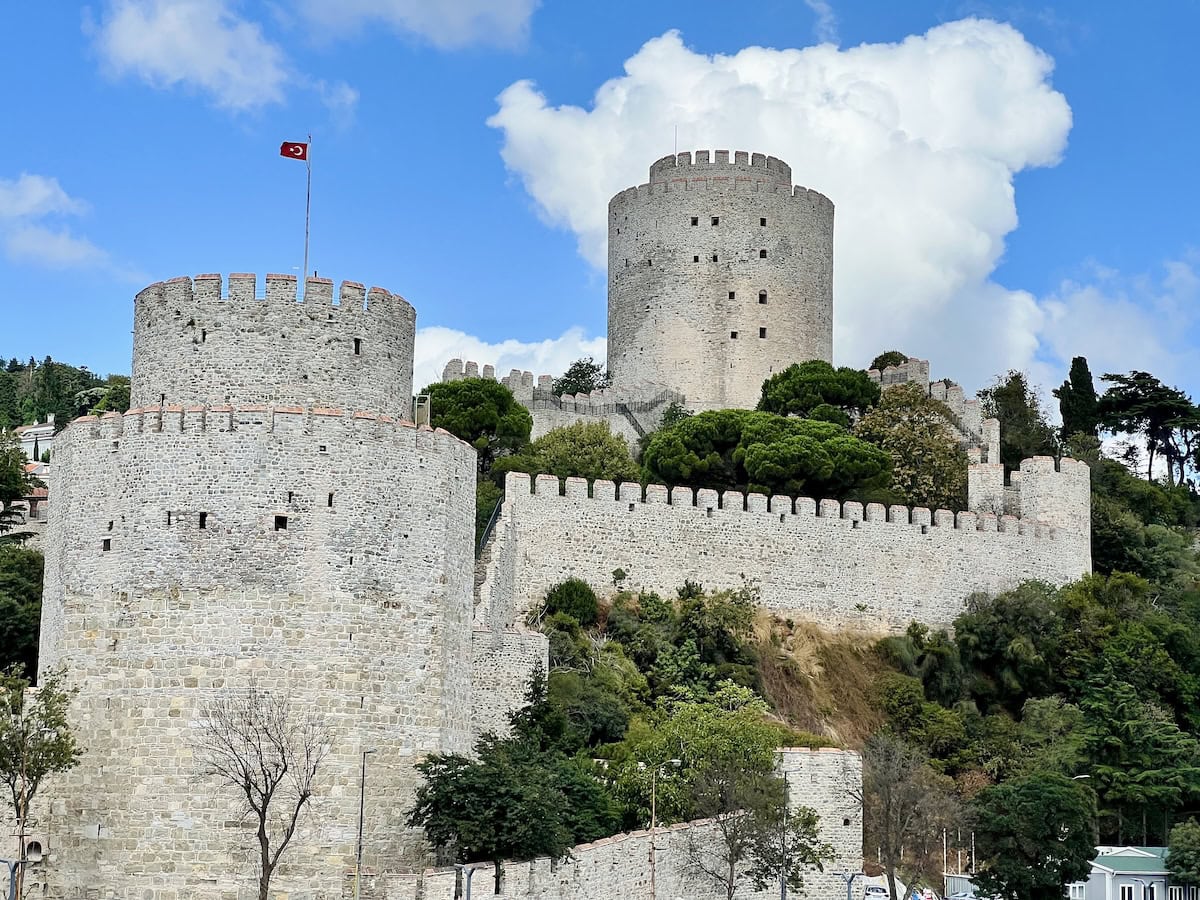
Without a doubt, Rumeli Hisarı is one of the most famous fortresses in Istanbul — it’s hard to miss those rugged stone walls while ferrying up the Bosphorus!
But here’s a secret most tourists miss: there’s another, much lesser-known fortress waiting on the other side of the strait.
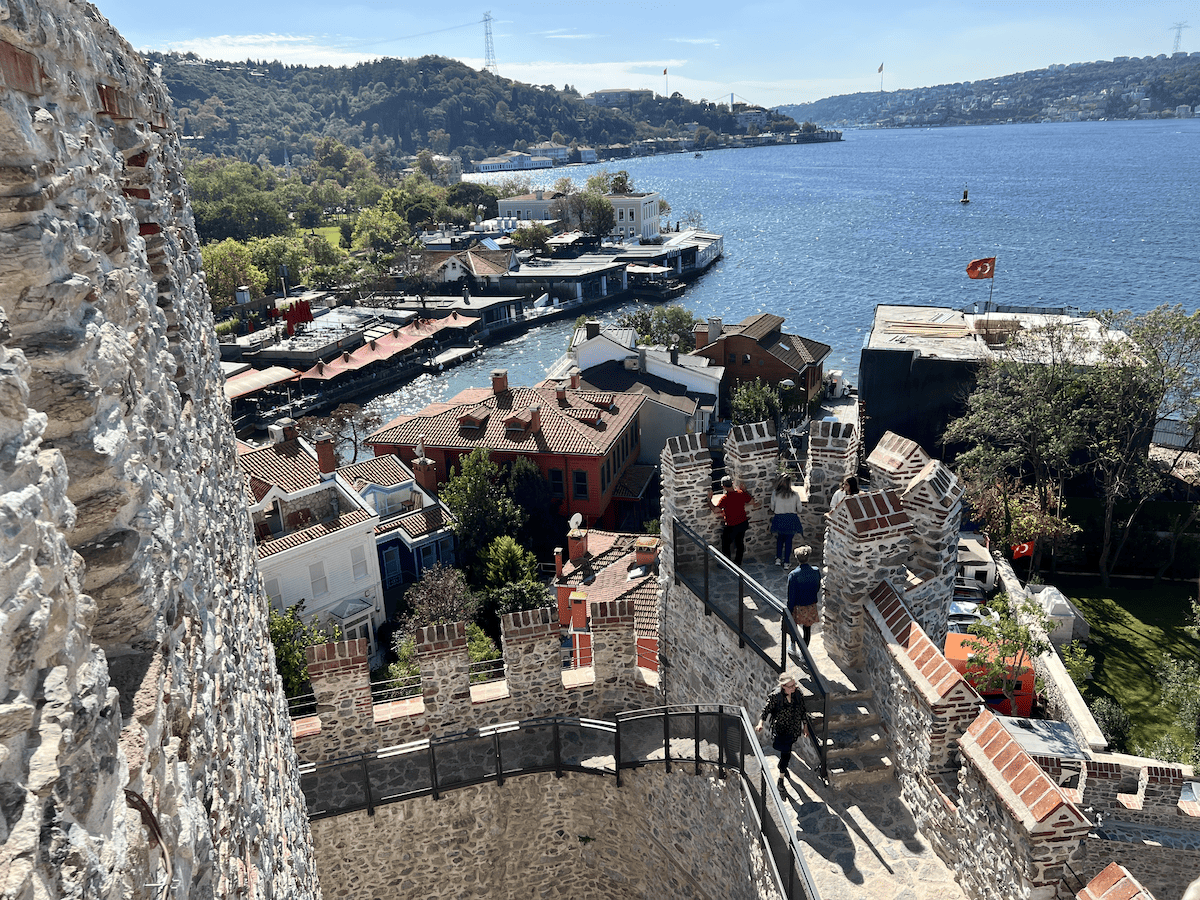
That’s right! We’re talking about Anadolu Hisarı, Rumeli’s “sibling” fortress that sits almost directly opposite on the Asian shore. Both fortresses were built centuries ago to defend the narrowest part of the Bosphorus, and together they controlled the strait and protected the city from invaders.
Anadolu Hisarı was recently restored in 2021 and is open for visits every day except Mondays (compared to Rumeli Hisarı, which is still closed due to major restoration works!)
It takes about an hour to wander the grounds, read the informational placards (there are English translations), and climb up the towers. We definitely recommend doing the latter, as the views over the Bosphorus are amazing!
Ultimately, how many people can say that they’ve been to the top of a fortress that’s witnessed more than 600 years of history?

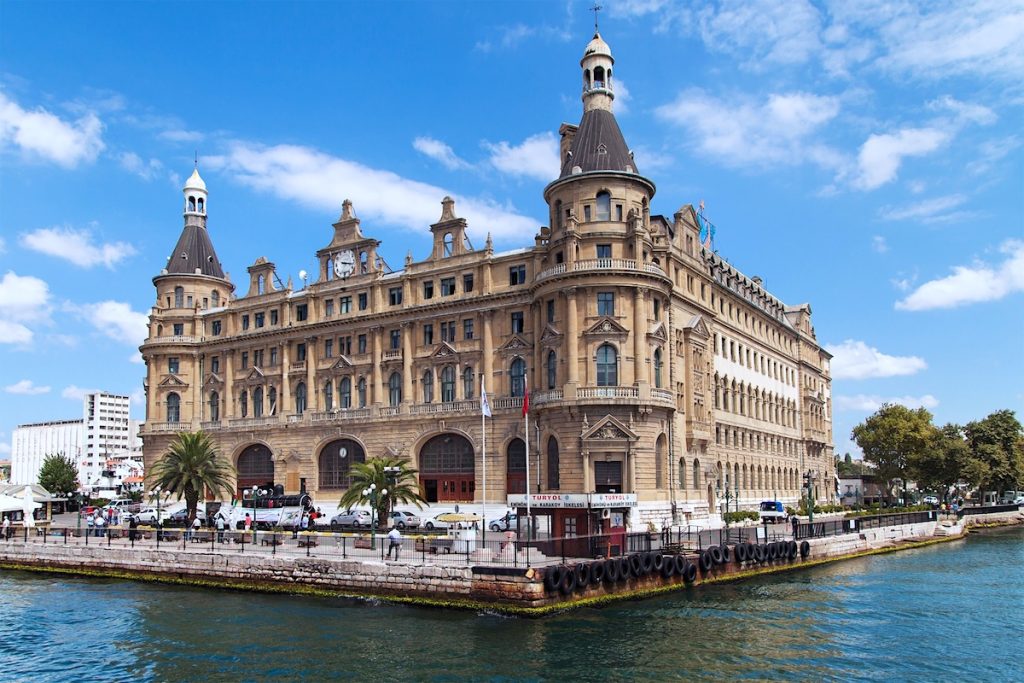

Istanbul’s European Side → Istanbul’s Asian Side
As you can probably tell from the previous three sections, Istanbul’s Asian side (also called the Anatolian side) has a lot going for it.
After all, why should the European side have all the fun? 😁
Did you know that you can enjoy a Turkish breakfast in a gorgeous former wedding venue (for half the price of similar touristy restaurants in Istanbul’s Old town)? Or visit Istanbul’s “Cat Park?” Or even see all of Istanbul unfold before you at the highest point in the city? It’s all on the Asian side!
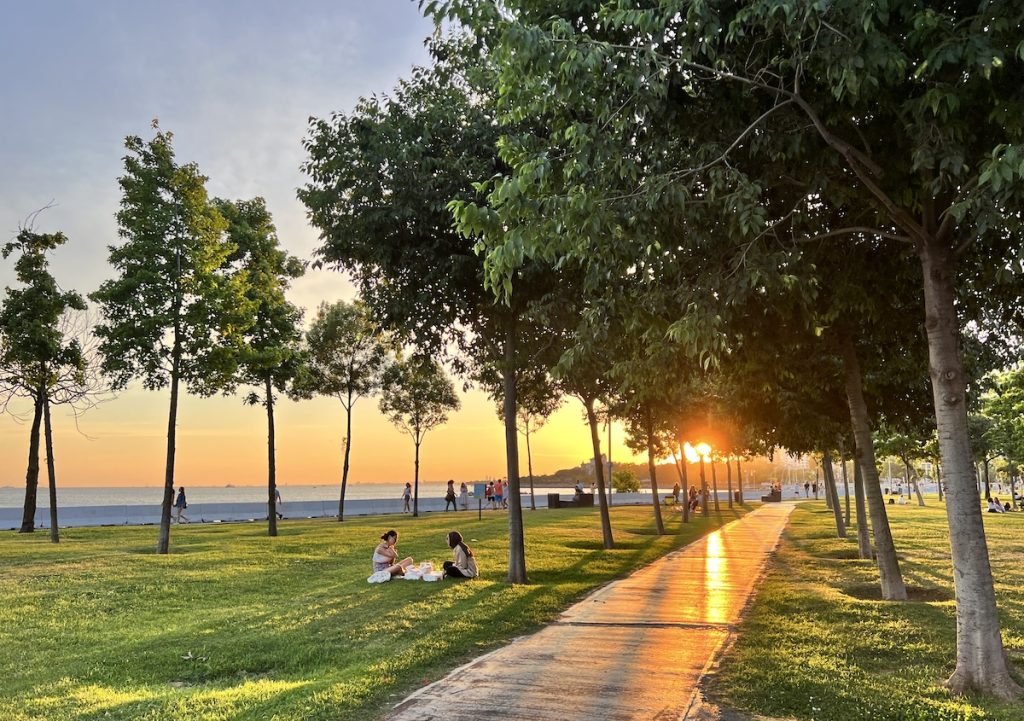
If you’re looking to get off the beaten path in Istanbul, the Asian side is where you’ll find quirky cafes, leafy neighborhoods, traditional markets, and parks full of locals (and cats!) instead of crowds. It’s a completely different atmosphere that’s much more relaxed, more local, and (don’t tell the European side!) more fun. 😉
Ready to plan your adventure? Here are some of our most popular blog posts to help you get started:
📍 How to Travel to Istanbul’s Asian Side from the European Side: All 6 Ways
📍 17+ Things To Do on the Asian Side of Istanbul
📍 35+ Amazing Things To Do in Kadikoy, Istanbul (From a Local!)
📍 Where to Stay in Kadıköy (Istanbul): Neighborhood Guide & Best Hotels
📍 Üsküdar (Istanbul) Travel Guide: What to do, Transportation, Where to Stay, and more
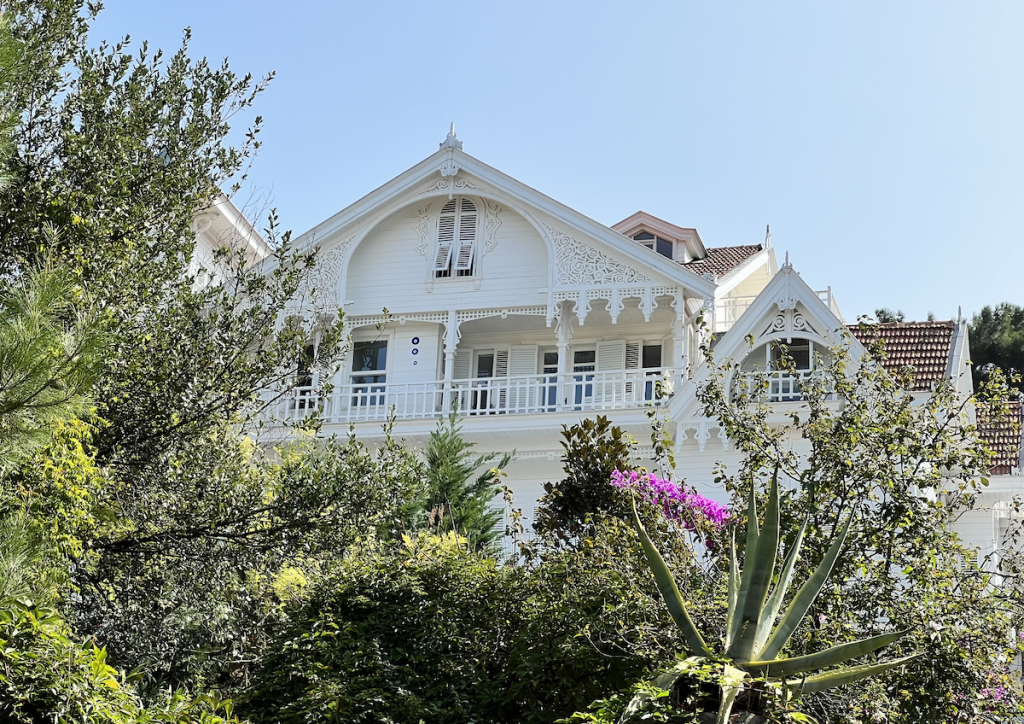

Büyükada → Heybeliada
Almost everyone who visits the Princes’ Islands heads straight for Büyükada.
The island is a classic for a reason: there are elegant Ottoman mansions (any fans of the Şakir Paşa Aile series here?), sprawling seaside trails, and fragrant pine forests. Add in pretty beaches, historic churches, and breezy cafes by the water, and you’ve got the perfect island escape — along with, well, just about everyone else who had the same idea.
But what if you want a totally different island experience? Skip the crowds and hop off the ferry one stop earlier at Heybeliada instead!
Heybeliada is the second largest island in the Prince Island archipelago but feels worlds away from the bustle of Büyükada. Far fewer people know about Heybeliada, which means it retained much of its original charm.
If you’re looking for peaceful nature, you’ll definitely find it here — 70% of the island is covered in forests! One of the best places to see it is Pine Harbor Bay (Çam Limanı Plajı), a thick forest of pine trees that offers beautiful views of the cove and boats bobbing on the water.
Just like its more popular cousin (Büyükada!), Heybeliada also has traditional Ottoman-era wooden houses and plenty of picturesque streets. You can easily get lost in the cute secondhand bookstores and cafes that are slowly popping up around the island.
Best of all, it’s easy to see the entire island in 3 to 5 hours (depending on how fast you walk and which places you visit)! Our Heybeliada Island Guide has a full walking itinerary that visits the most popular landmarks and interesting spots. 🙂
Here are our blog posts to help you plan:
📍 Heybeliada Island Travel Guide
📍 Büyükada Travel Guide: 15+ Things to Do, Transport, Where to Eat + More

Baklava → Soguk Baklava
Ok ok so it’s not a tourist attraction in the traditional sense, but we think it should definitely be included on our list! 😉
You’ve probably tried regular baklava, but have you ever had soğuk baklava (cold baklava)? It’s a fun take on the classic: instead of crunchy syrup-soaked layers, cold baklava is wet, chilled, with soft layers, a creamy milk filling, and a finishing touch of grated chocolate or ground pistachios on top.
It’s lighter, cooler, and even more delicious (yes, we said it 👀) than the classic famous dessert.
(It’s also Mrs. Kedi’s favorite dessert!)

Istanbul Archaeology Museum → 10+ Alternative Museums to Choose From!
While there’s no doubt that the Archaeology Museum is amazing, it’s also huge, under renovation half the time, and easy to get museum fatigue in.
If you want something smaller, more atmospheric, or simply more unique than the usual “stones, coins, and pottery artifacts,” check out our list of 10+ alternative museums in Istanbul! →
From wandering through Ottoman mansions to checking out cool private collections, these spots are quieter and much more memorable than the big complex in Sultanahmet. 😉
Whether you’re in the mood for non touristy Istanbul neighborhoods, off the beaten path adventures, or simply want to discover the coolest hidden gems in Istanbul, we hope that our guide gave you some ideas. Don’t be afraid to ditch the crowds and find your own authentic Istanbul! 🙂
Questions & Answers
What are the best hidden gems in Istanbul for travelers?
Some of Istanbul’s best hidden gems include Chora Mosque (Kariye Camii) for dazzling Byzantine mosaics, the colorful neighborhood of Kuzguncuk, the quiet courtyards of Üsküdar, and the art-filled streets of Yeldeğirmeni in Kadıköy. These spots offer a more local, off the beaten path experience away from the main tourist crowds.
What are some unique alternatives to Istanbul’s most famous attractions?
If you want a fresh take on Istanbul, swap Hagia Sophia for Chora Mosque, Galata Tower for Galata Bridge, Dolmabahçe Palace for Beylerbeyi Palace, or the Grand Bazaar for Kadıköy Market.
How can I experience Istanbul like a local and avoid the crowds?
To experience Istanbul like a local, skip the busiest tourist sites and head for neighborhood cafes, markets, and ferry rides. Spend a morning exploring Kadıköy, wander the backstreets of Beyoğlu, or catch the sunset on the Asian side at Çamlıca Hill. Local ferries and tram rides are fun, cheap, and perfect for people-watching!
Are there any non-touristy things to do in Istanbul?
Absolutely! Try shopping at Kadıköy Market, riding a local ferry to Anadolu Kavağı, or visiting alternative museums like Rahmi M Koç or Sakip Sabancı. You can also walk across Galata Bridge for iconic views, relax at a seaside cafe in Moda, or climb the fortress towers at Anadolu Hisarı.
Leave a Reply